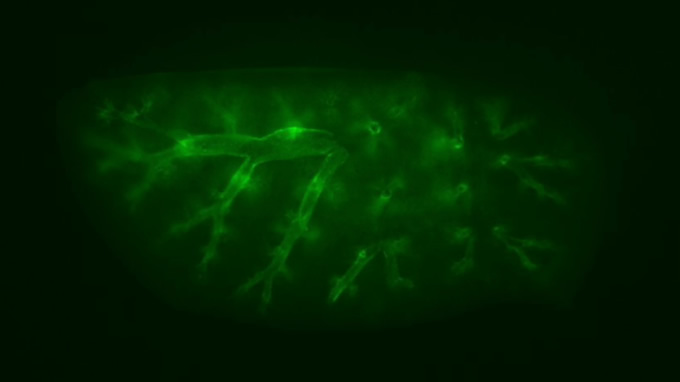
Mouse lung infected with "a fluorescent influenza virus"
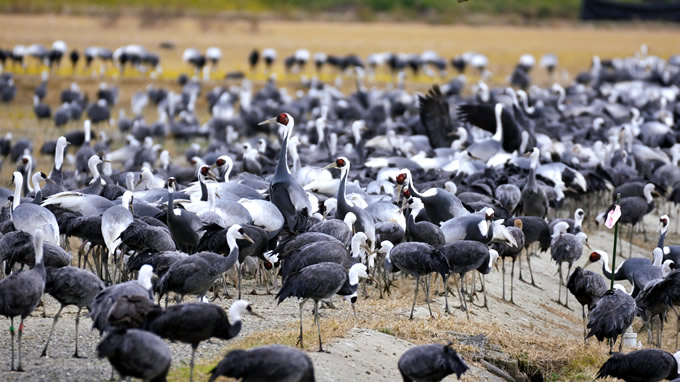
Endangered cranes wintering in the Izumi Plain
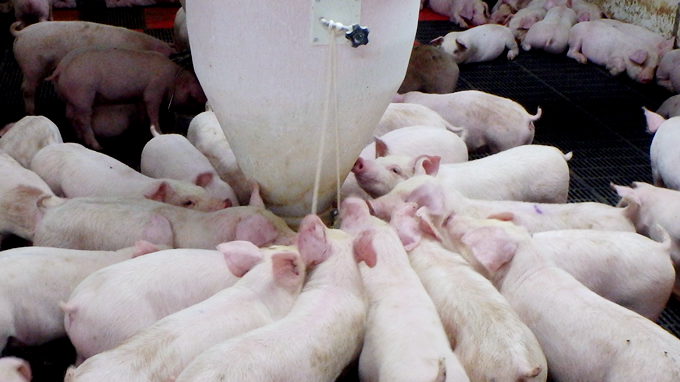
Rope-based oral fluid sampling in piglets
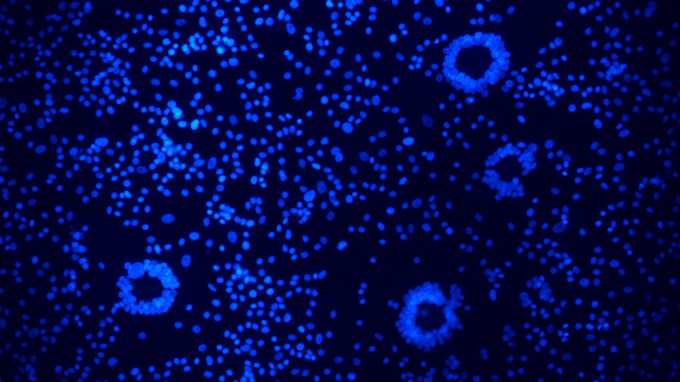
PED virus-induced syncytium formation
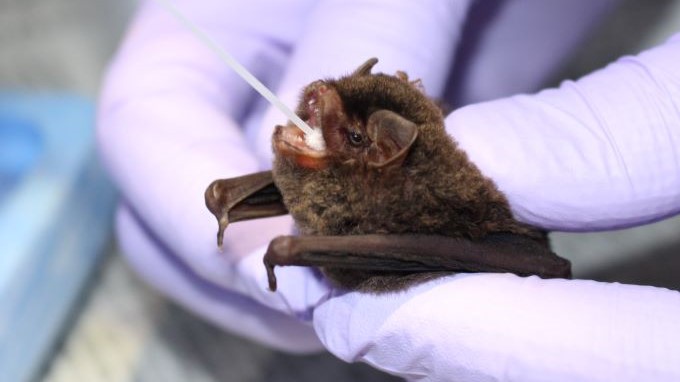
Oral swab collection from eastern bent-winged bats
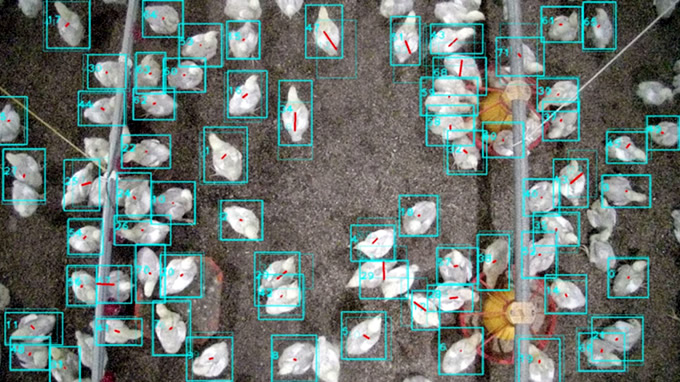
AI camera-based chicken activity analysis
Domain of research
-
 Virus
Virus
-
 Livestock
-
 Wildlife
We study infectious diseases in livestock and wildlife, focusing on their mechanisms and control based on virology. Using Kagoshima—one of Japan’s leading livestock production regions with rich natural environments—as our primary research field, we work closely with governmental agencies and industry partners to advance research and outreach for real-world application.
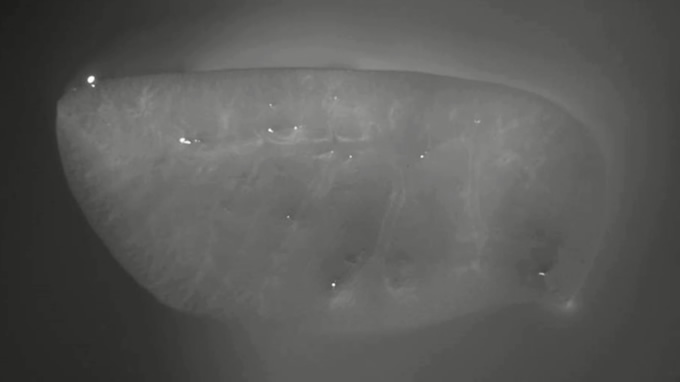
Improvement and Application of "reverse genetics" system for influenza virus
Recent advances in genetic engineering have enabled the artificial generation of viruses that retain infectivity, replicative capacity, and pathogenicity. In our laboratory, we are working to improve and apply influenza virus generation technologies to analyze viral properties and develop novel control strategies.
Avian Influenza Surveillance in Wild Birds
Highly pathogenic avian influenza viruses are maintained and spread among wild waterfowl, posing a serious threat to the poultry industry. We conduct surveillance in the Izumi Plain, analyzing environmental samples and dead wild birds to investigate viral prevalence and the genetic characteristics of circulating strains.
Characterization of Swine Influenza Viruses in Japan
Swine influenza viruses cause respiratory disease in pigs and are also important zoonotic pathogens with the potential to infect humans. We use virus generation technologies to analyze the growth, pathogenicity, and antigenicity of circulating strains in Japan, aiming to assess infection risks and develop control strategies.
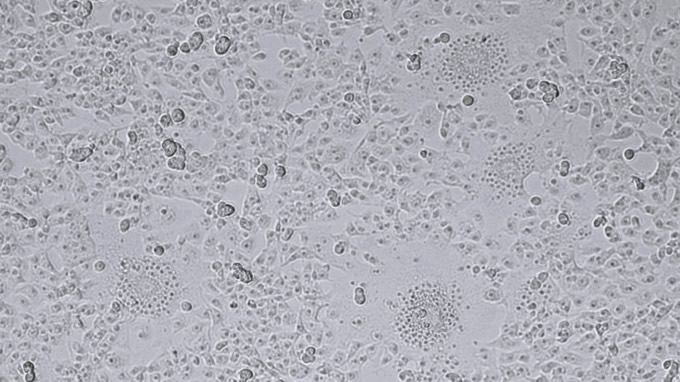
Molecular Analysis and Control of Viral Diseases in Livestock
Viral diseases in livestock have a major impact on animal health and productivity, causing significant losses in the livestock industry. We apply molecular techniques developed through influenza research to study viruses such as PRRSV, aiming to understand infection mechanisms and develop effective control strategies.
Epidemiology and Infection Dynamics of Viral Diseases in Wildlife
Viral infections in wildlife are important not only for animal health but also due to their potential transmission to humans and livestock. We conduct field-based studies in collaboration with governmental agencies to investigate the epidemiology and infection dynamics of viruses in wildlife.
- Genetically distinct H5N2 high pathogenicity avian influenza virus isolated from a peregrine falcon on Amami-Oshima Island, Japan, harboring enhanced pathogenicity-associated amino acids in the PA protein
- Oita virus rediscovered after 50 years: isolation of genetically conserved strains from bats in Southern Japan
Development and Implementation of "Smart Livestock Technologies"
The livestock industry faces major challenges, including labor shortages and the need to improve productivity. We collaborate with industry partners and producers to develop and implement smart livestock technologies for broiler and swine production using cutting-edge information and communication technology (ICT), artificial intelligence (AI), and robot technology.
Faculty
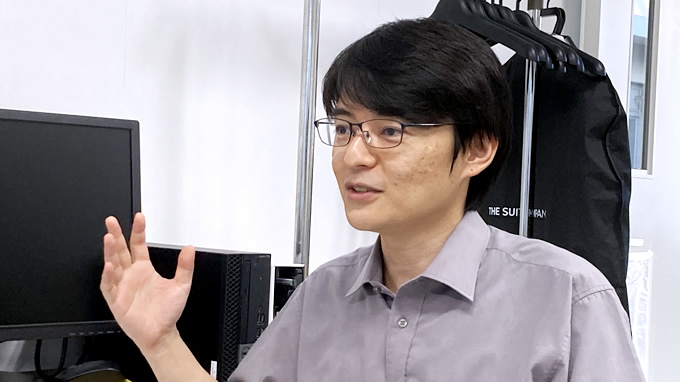
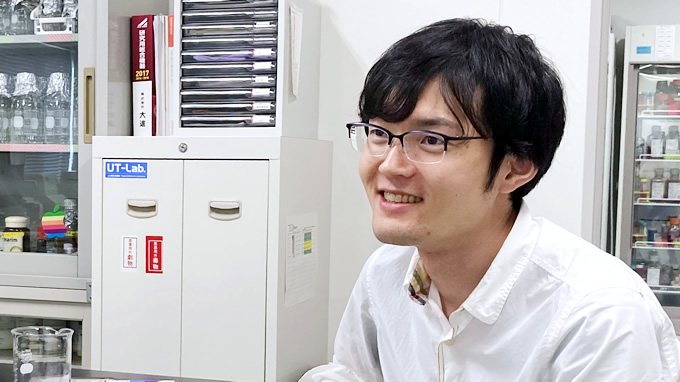

Wakako Misumi, DVM, PhD
- Title
- Specially Appointed Assistant Professor
- [Joint Research Chair for Animal Diseases]
- Bacteriology

Mana Esaki, DVM, PhD
- Title
- Specially Appointed Assistant Professor
- (KU-DREAM Researcher)
- Virology, Wildlife Biology
Students
Akiha Inoue
- Title
- 1st-year PhD Student
Kaede Goda
- Title
- 6th-year Undergraduate Student
Moko Hidaka
- Title
- 5th-year Undergraduate Student
Ayumu Yoshida
- Title
- 4th-year Undergraduate Student
Other Members
Shizuka Hirose, DVM
- title
- External Research Collaborator
Donna Koyamada
- title
- Research Assistant
Maki Inaba
- title
- Research Assistant
Keiko Yoshitomi
- title
- Research Assistant
Rie Saito
- title
- Research Assistant
Satoko Okuya
- title
- Research Assistant
Access
- Department of Pathogenetic and Preventive Veterinary Science,
Joint Faculty of Veterinary Medicine,
Kagoshima University - 1-21-24 Korimoto, Kagoshima 890-0065, Japan
- Campus Map
- Contact
- Tel: +81-99-285-3651
- E-mail: mozawa@vet.kagoshima-u.ac.jp